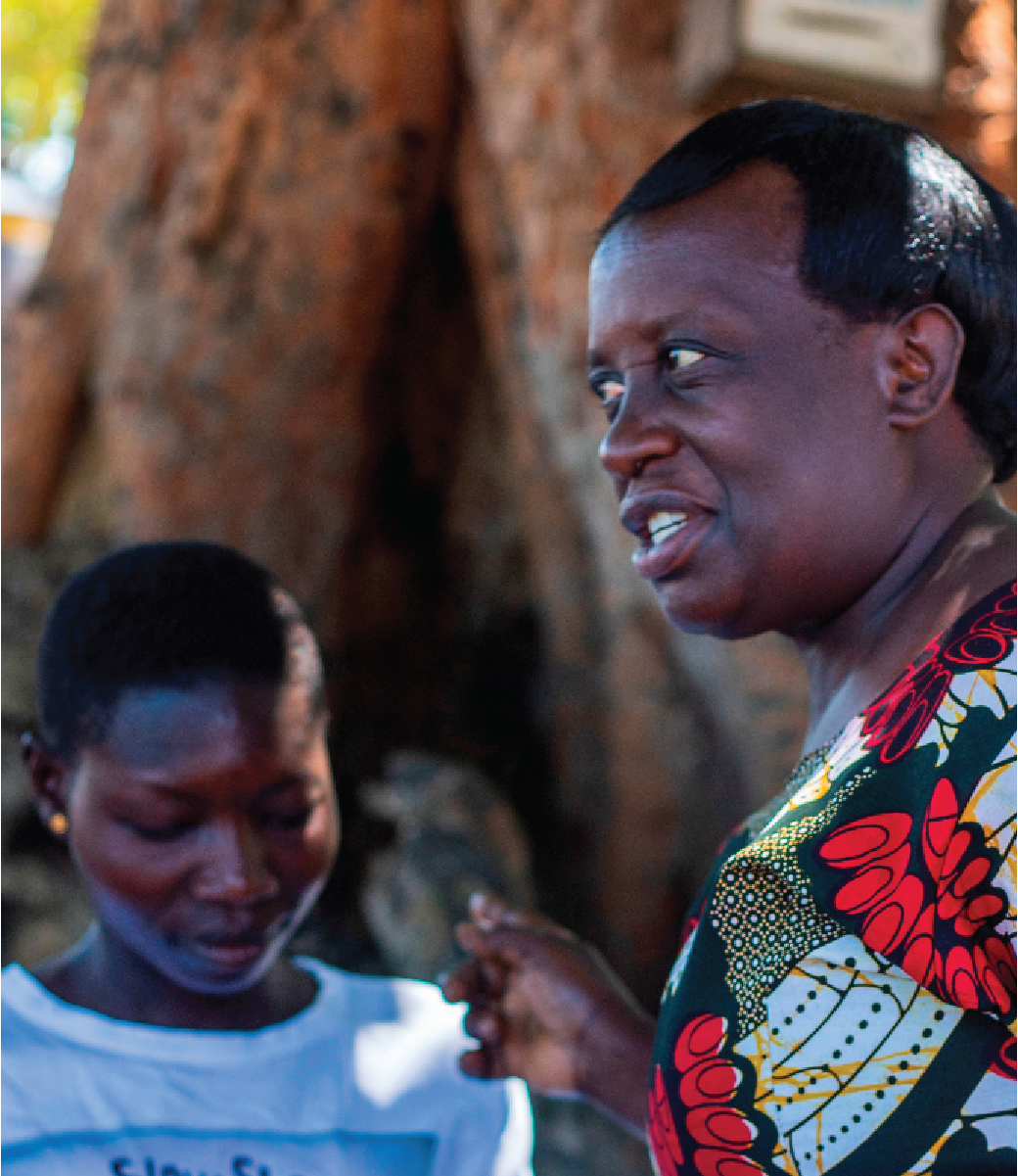
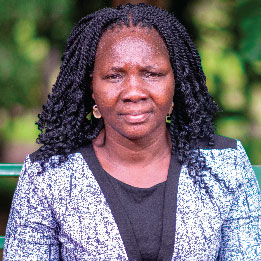
We are a research project which aims to establish the impact of COVID-19 on the sexual and reproductive health of the youth and adolescents in northern Uganda.
We work mainly in Gulu City and Adjumani District.
Email: conscov@gu.ac.ug
WhatsApp: 0786436313
Email: conscov@gu.ac.ug
Consequences of the COVID Epidemic for Youth Reproductive Health in Northern Uganda (CONSCOV) is a 2-year Gulu University project that aims to establish the impact of COVID-19 on the sexual and reproductive health of the youth and adolescents in northern Uganda.
CONSCOV analyses information on teenage pregnancies, sexually transmitted infections (STIs), post-abortion care, and access to family planning services especially in Gulu City and Adjumani District.
The project pays special attention to secondary school learners, refugees, and socially excluded youth most known in Gulu as the aguu. The aguu are young people whose survival is mainly through criminal ways, especially on the streets of Gulu.
CONSCOV also offers training to health workers in research methods to enable them to understand the underlying issues of the medical cases they handle as well as generate and share research knowledge. As the CONSCOV team conducts research, it extends free medical services to the youth and adolescents.
The CONSCOV research partnership includes Gulu University, the University of Copenhagen, Gulu Regional Referral Hospital (GRRH), and Reproductive Health Uganda (RHU).
The CONSCOV project started in April 2022 and it will run up to April 2024. CONSCOV is funded by the Danish Ministry of Foreign Affairs through Danida.
While on another research project, about transforming education in northern Uganda, Dr. Alidri and some of her colleagues at Gulu University visited some schools in 2019 and when they went back there in March 2020, just before the schools were closed due to the pandemic, they found that the schools were running as usual. But when the lockdown was eased later in 2020, the researchers discovered that a number of girls had conceived during the lockdown. Some girls had been married off. Even at the Gulu Universities, a number of girls returned pregnant after the lockdown. The picture they got was that the pandemic, and especially the lockdown, had had a negative impact on the learners. They interested themselves in finding out to what extent the pandemic had impacted youth sexual and reproductive health.
Anim pariatur cliche reprehenderit, enim eiusmod high life accusamus terry richardson ad squid. 3 wolf moon officia aute, non cupidatat skateboard dolor brunch. Food truck quinoa nesciunt laborum eiusmod. Brunch 3 wolf moon tempor, sunt aliqua put a bird on it squid single-origin coffee nulla assumenda shoreditch et.
Consequences of the COVID Epidemic for Youth Reproductive Health in Northern Uganda (CONSCOV) is a 2-year Gulu University project which aims to establish the impact of COVID-19 on the sexual and reproductive health of the youth and adolescents in northern Uganda.
CONSCOV analyses information on teenage pregnancies, sexually transmitted infections (STIs), post-abortion care, and access to family planning services.
The project also offers training to health workers in research methods. As the CONSCOV team conducts research, it extends free medical services to the youth and adolescents.
The CONSCOV project was started in April 2022 and it will run for two years.
CONSCOV is funded by the Danish Ministry of Foreign Affairs through Danida. CONSCOV funds are administered by the Danida Fellowship Centre.
How much is the CONSCOV grant?
The CONSCOV grant is DKK 2,297,152, which is about UGX 1bn.
The CONSCOV project targets youth and adolescents in northern Uganda, especially in Gulu City and Adjumani District. The project pays special attention to refugees and socially excluded youth most known in Gulu as the aguu. The aguu are basically young people whose survival is mainly through criminal ways, especially on the streets of Gulu.
The CONSCOV research partnership includes Gulu University, the University of Copenhagen, Gulu Regional Referral Hospital (GRRH), and Reproductive Health Uganda (RHU).
The CONSCOV project targets youth and adolescents in northern Uganda, especially in Gulu City and Adjumani District. The project pays special attention to refugees and socially excluded youth most known in Gulu as the aguu. The aguu are basically young people whose survival is mainly through criminal ways, especially on the streets of Gulu.
Who are the CONSCOV research partners?
The CONSCOV research partnership includes Gulu University, the University of Copenhagen, Gulu Regional Referral Hospital (GRRH), and Reproductive Health Uganda (RHU).
CONSCOV has a broad team of 21 researchers selected from all the project partners. The project’s Principal Investigator (PI) is Dr. Agatha Alidri of Gulu University. Dr. Susan Whyte of the University of Copenhagen is the Co-PI. Other team leaders include Emily Uramba Kayeny (Gulu Regional Referral Hospital), Filda Anicia (Reproductive Health Uganda), Ass. Prof. Hanne Overgaard Mogensen (University of Copenhagen), Judith Awacorach (Gulu University), and Julaina Obika (Gulu University).
Patrick Kabwijamu and Patrick Ochen, both of Gulu University, are CONSCOV research assistants.
CONSCOV is housed by the Building Stronger Universities (BSU) programme at the main campus of Gulu University.
While on another research project, about transforming education in northern Uganda, Dr. Alidri and some of her colleagues at Gulu University visited some schools in 2019 and when they went back there in March 2020, just before the schools were closed due to the pandemic, they found that the schools were running as usual. But when the lockdown was eased later in 2020, the researchers discovered that a number of girls had conceived during the lockdown. Some girls had been married off. Even at the Gulu Universities, a number of girls returned pregnant after the lockdown. The picture they got was that the pandemic, and especially the lockdown, had had a negative impact on the learners. They interested themselves in finding out to what extent the pandemic had impacted youth sexual and reproductive health.
Building Stronger Universities (BSU)-Gulu is a multifaceted programme aimed at strengthening research capacity at Gulu University in northern Uganda
Addss: P.O.Box 166, Gulu (U)
Phone: +256-774-784-232
Fax: +256-774-784-232
Email: bsu@gu.ac.ug
Open: Mon – Fri 8:30 – 5:00PM